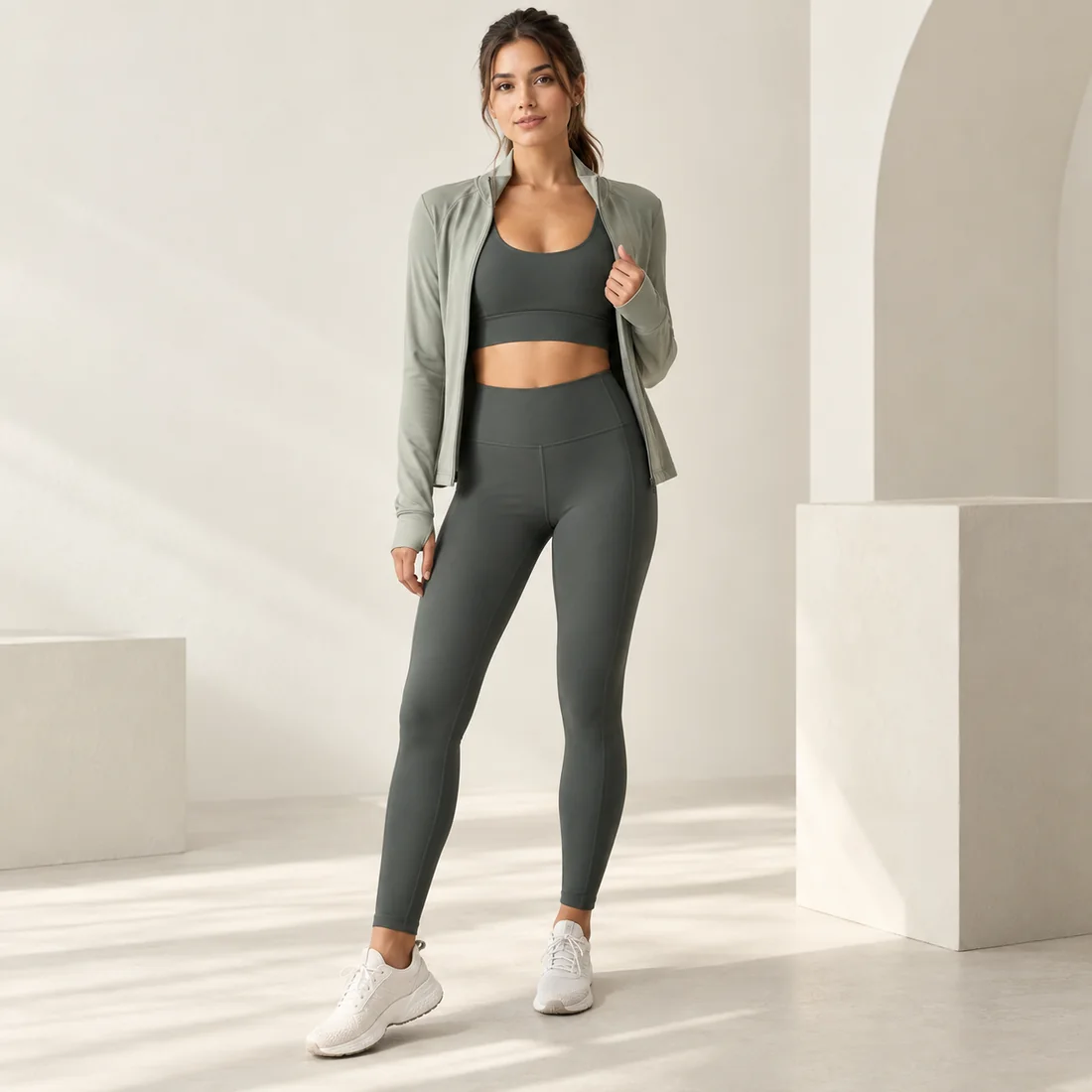
Separate Body Measurements From Garment Measurements
A body chart describes the intended customer. A garment specification describes the finished product. Stretch apparel frequently uses negative ease, so copying body measurements directly into a garment chart will not produce the intended fit.
Define the target market, size names and base size before pattern development. Record the fit model's key measurements and note whether the product should feel compressive, close, regular or relaxed.
Create a Clear Point-of-Measurement List
Every measurement needs a name, method and reference position. Waist, hip, rise, inseam, body length, chest, armhole and opening measurements can be taken differently unless the diagram and written method are clear.
Use the same method for samples and bulk checks. If a curved measurement, stretch measurement or relaxed opening is required, state the tool, garment position and whether tension is applied.
Approve the Base Size Through Movement
Fit approval should include standing appearance and the movements promised by the product. Squats, lunges, overhead reach, running or court motion can expose waistband movement, transparency, restriction, gaping and seam discomfort.
Convert comments into measurable changes. Instead of saying the waist is loose, record the target reduction, the affected pattern area and the expected feel. Keep photos and a sealed sample with the updated specification.
Grade With Product-Specific Rules
Different measurements grow at different rates. Circumference, length, strap position and cup coverage should not be increased by one universal number. Review whether design lines, pockets and logo positions remain proportional across sizes.
Fit an additional size away from the base when possible, especially for wide size ranges or supportive garments. This can identify grading problems before a full size set or bulk order is produced.
Define Tolerances and Inspection Levels
A tolerance states the acceptable production variation for each point. High-impact measurements such as waistband, inseam or strap length may need closer control than low-risk decorative measurements. Tolerances must be achievable for the fabric and construction.
Bulk inspection should cover quantity, measurements, workmanship, shade, branding, labels, packing and function. Use an agreed sampling approach and define how defects are classified, recorded and corrected.
Keep Quality Records for Reorders
Store the approved pattern version, measurement chart, grading rules, fabric and color references, artwork, label files, packing instructions and inspection results. These records reduce ambiguity when a style is reordered or updated.
If a fabric lot, trim or construction changes, evaluate whether the approved fit and tolerance still apply. A repeat style is not automatically identical when one of its critical inputs has changed.
Relevant Product Programs
Discuss Your Activewear Project
Share your product category, target quantity, fabric direction, branding requirements and reference materials with the CCLIYA team.
Request an OEM or ODM Quote