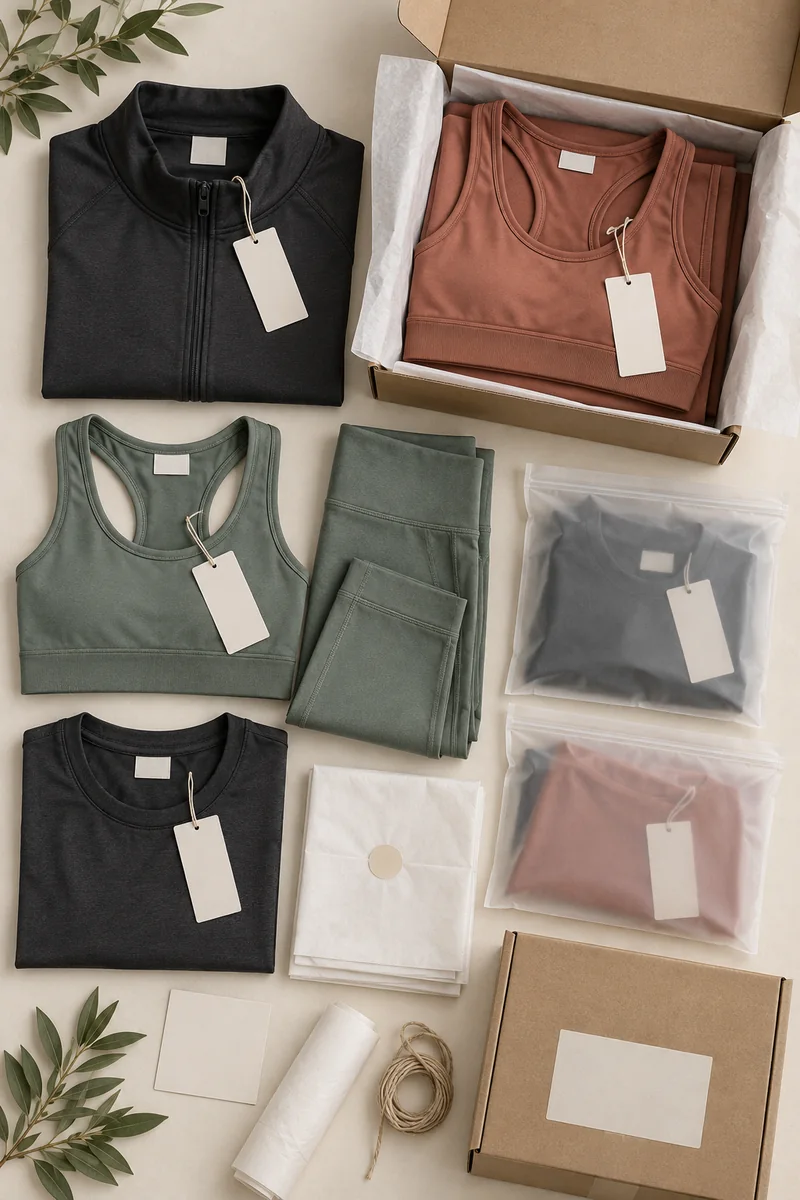
Choose the Correct Production Route
MOQ cannot be evaluated without the customization route. Applying a logo to an approved ready-stock style requires fewer development steps than creating a new pattern, custom-dyed fabric, several trims and retail packaging. Ask for the MOQ that applies to your exact route rather than a single factory-wide number.
CCLIYA currently presents a ready-stock plus logo route from 30 pieces and full custom programs from 100 pieces per style, subject to fabric, construction, color and order details. Final availability must be confirmed against the selected product.
Build a Realistic Sample Plan
A first sample tests interpretation, not only appearance. Review measurements, fit, construction, fabric, color, logo and function in writing. Complex products may need more than one revision, and every revision should close specific issues instead of restarting the brief.
Reserve time for artwork tests, lab dips or custom trim approvals when they apply. If the buyer changes fabric, silhouette or size chart after the first sample, the project may require a new sample rather than a minor correction.
Understand What Lead Time Includes
Lead time can include material sourcing, sample preparation, buyer review, revisions, pre-production approval, bulk cutting, sewing, printing, finishing, inspection and packing. A production estimate is meaningful only after the key specification and materials are confirmed.
Shipping time is separate from factory production time. Buyers should also allow for quotation review, payment, artwork preparation and their own decision cycle. A fixed launch date should be worked backward into approval deadlines.
See How Customization Adds Dependencies
Custom color may require a lab dip or fabric minimum. New labels require artwork, material, dimensions and supplier lead time. Special zippers, elastic, cups or packaging can introduce additional suppliers and approvals. Each dependency affects both MOQ and schedule.
List customization in four groups: garment, fabric and color, branding and trims, and packaging. This makes it easier to identify which features are essential for launch and which can be introduced after sales data is available.
Prevent Delays During Approval
Use one consolidated comment sheet for each sample and identify the approved reference. Conflicting feedback from several team members can create unnecessary rounds. Provide exact measurements, annotated photos and artwork files instead of general phrases such as make it better or more premium.
Approve or reject each open item: fit, measurements, fabric, shade, logo, labels and packing. Bulk production should not begin while important decisions are still described as pending unless both parties have agreed on the risk and sequence.
Information to Send for an Accurate Quote
Provide product type, reference images or tech pack, target quantity, number of colors, size range, target market, fabric preference, logo method, labels, packaging and required delivery window. State whether quantities are per style, per color or total.
A complete inquiry allows the supplier to return a route-specific MOQ, sampling plan and lead-time estimate. It also prevents a low headline quote from being compared with a different level of customization.
Relevant Product Programs
Discuss Your Activewear Project
Share your product category, target quantity, fabric direction, branding requirements and reference materials with the CCLIYA team.
Request an OEM or ODM Quote